South Carolina Moves To Ground Prisons With Unmanned Aircrafts
South Carolina Moves to Criminalize Prison Drone Drops, Addressing a Growing Concern The state of …
16. July 2026
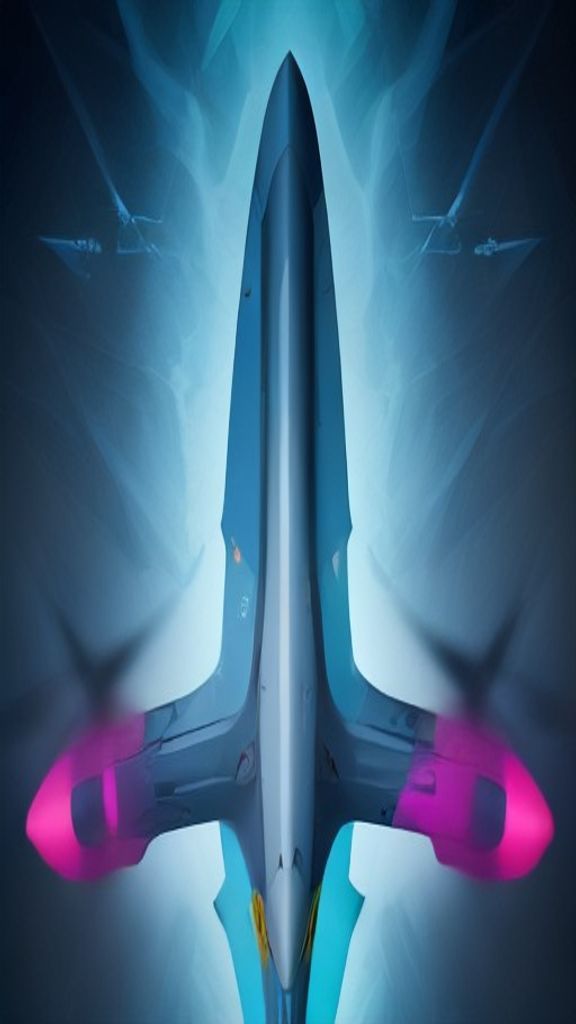
The UK’s Storm Fighter: A New Era in Drone Warfare
The United Kingdom has taken a significant step forward in its efforts to bolster its drone capabilities, christening its Collaborative Combat Aircraft (CCA) program as the Storm Fighter. This new designation marks a major milestone for the UK’s unmanned aerial vehicle (UAV) ambitions, with plans to develop at least two new designs of drone wingmen to complement its existing fleet.
The Storm Fighter program is part of the UK’s broader efforts to enhance its air defense capabilities, particularly in the face of emerging threats from countries like China and Russia. The program’s development is expected to be a major investment for the UK, with a budget of £300m ($405 million) allocated over the next four years.
According to Luke Pollard, the UK’s Minister of State for Defense Readiness and Industry, the Storm Fighter drone wingmen will play a critical role in supporting British tactical aircraft. They will act as both “guardian angels” and “attack dogs,” providing reconnaissance and electronic warfare capabilities to bolster the RAF’s (Royal Air Force) combat effectiveness.
The Storm Fighter program is designed to provide an affordable and sustainable source of unmanned aerial vehicles, which can supplement manned fighters at a lower cost. This approach is gaining traction worldwide, with air forces from countries like the United States, France, and Japan also pursuing CCA designs.
In combat, drone wingmen are expected to perform a range of tasks, including providing electronic attack capabilities, reconnaissance, and missile support. They could also act as a “missile sponge” to help protect pilots from incoming fire, absorbing or defusing threats that might otherwise damage their aircraft.
The UK’s plans for the Storm Fighter program are ambitious, with at least two new drone platforms expected to be developed. One of these is the Storm Chrome, which will be designed for electronic attack capabilities. This platform is likely to play a critical role in supporting British air forces in detecting and disrupting enemy communications and radar systems.
The other drone platform, known as Storm Fire, is intended to provide long-range strike capabilities. According to Royal Air Force (RAF) Chief Marshal Harv Smyth, this platform will be capable of striking targets from up to 1,000 miles away, providing a significant boost to the UK’s ability to project power.
The development of these new drone platforms builds on the success of an earlier autonomous drone, StormShroud, which entered service last year. According to the RAF, StormShroud has been instrumental in protecting pilots by jamming enemy radar signals, allowing them to safely operate in hostile environments.
The UK’s investment in the Storm Fighter program is part of a broader effort to modernize its defense capabilities. The country’s four-year, £298 billion Defence Investment Plan (DIP) published last June outlines a range of initiatives aimed at enhancing the UK’s military prowess, including the development of new drone systems and the upgrade of existing aircraft.
However, the DIP has also been subject to controversy, with previous defense spending levels prompting the resignation of former UK Defense Minister John Healey. The plan ultimately culminated in the ousting of Prime Minister Keir Starmer, highlighting the challenges facing the UK’s government as it seeks to balance budgetary pressures with its commitment to national security.
Despite these challenges, Pollard acknowledged that more money is needed for defense, stating that this has been “clear” for some time. The UK’s decision to increase defense spending by £15 billion is likely to be seen as a major boost to the Storm Fighter program and other initiatives aimed at modernizing its military capabilities.
As the UK continues to develop its drone capabilities, it will be watching developments in other countries with great interest. The United States, for example, has been investing heavily in its own CCA programs, including the development of the MQ-80A Air-Launched Rapid Response Drone.
The Storm Fighter program is an important step forward for the UK’s military modernization efforts, and its success will likely have significant implications for the country’s defense posture. As the UK continues to develop its drone capabilities, it will be crucial to balance investment in new technologies with the need to ensure their safe operation and effective integration into existing military systems.
With the Storm Fighter program now officially underway, the UK is poised to make a major contribution to the development of the next generation of unmanned aerial vehicles. As these systems become increasingly sophisticated, they are likely to play an even more critical role in supporting British air forces and enhancing its ability to project power around the world.