Symbotic Speeds Up Supply Chain With Record Mileage Gains
Symbotic, a leader in providing AI-enabled robotics technology for the supply chain, has recently …
13. May 2026
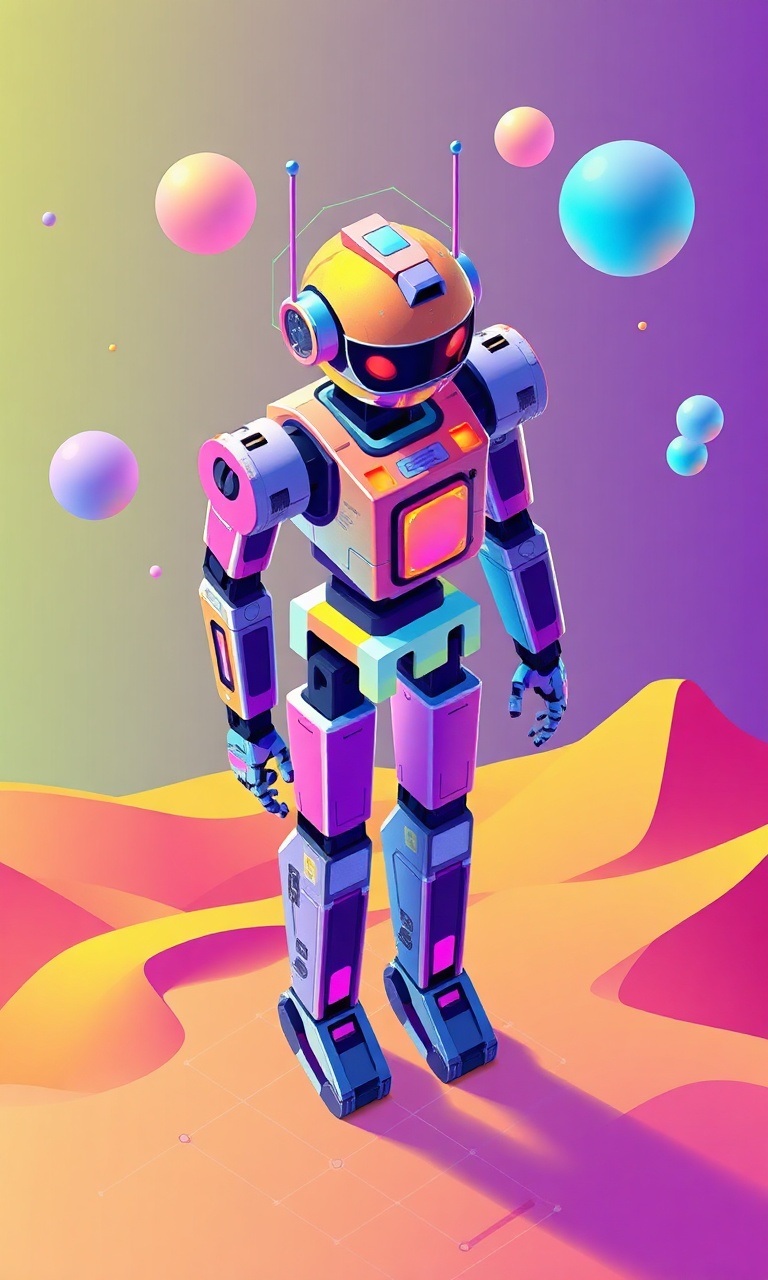
The world of artificial intelligence (AI) has long been dominated by the digital realm, with virtual assistants and chatbots becoming an integral part of our daily lives. However, as AI technology continues to evolve, it’s no longer surprising to see physical implementations of this technology starting to make their mark on various industries. The recent Physical AI Conference held in San Jose is a prime example of this trend, bringing together leading experts in robotics and autonomous systems to showcase the latest advancements in the field.
San Jose, California, was buzzing with excitement as the conference brought together over 500 attendees from across the globe to share knowledge and innovations in the realm of physical AI. The event was designed to provide a platform for industry professionals to network, learn about the latest developments, and explore potential applications of this technology. From autonomous vehicles to smart homes, the impact of physical AI is being felt across various sectors, and San Jose played host to an array of cutting-edge exhibits and presentations.
One of the standout features of the conference was the presence of several major robotics companies, including Boston Dynamics, iRobot, and Mayfield Robotics. These firms showcased their latest creations, ranging from humanoid robots designed for search and rescue operations to autonomous drones capable of navigating complex environments with ease. The attention to detail in these exhibits was impressive, demonstrating a level of sophistication that highlights the rapidly advancing capabilities of physical AI.
For instance, Boston Dynamics’ latest robot, designed for search and rescue operations, featured advanced sensors and AI algorithms to navigate complex environments with ease. This technology has significant implications for industries such as healthcare and emergency services.
Another key aspect of the conference was the focus on autonomous systems, particularly in industries such as manufacturing and logistics. With the rise of e-commerce and just-in-time delivery, companies are under increasing pressure to optimize their supply chains. Physical AI plays a crucial role in this endeavor, enabling companies to create more efficient, flexible, and adaptive systems that can respond to changing demands in real-time.
For example, Launchpad Build AI offers an MLM (Machine Learning Model) to speed up industrial automation design. Their technology has already been adopted by several major companies, resulting in significant improvements in production efficiency.
The conference also featured a series of presentations on the applications of physical AI in smart homes. With the increasing popularity of IoT devices, it’s becoming easier for homeowners to control their living spaces remotely. Physical AI plays a key role in this phenomenon, enabling devices like thermostats, lights, and security systems to learn users’ preferences and adapt to their habits over time.
A presentation by a leading smart home manufacturer showcased how their system uses machine learning algorithms to optimize energy consumption based on user behavior. The company demonstrated that by incorporating physical AI into their system, they were able to reduce energy waste by up to 25%.
Another interesting aspect of the conference was the emphasis on collaboration and knowledge-sharing between academia and industry. Researchers from top universities around the world presented their latest findings on topics such as cognitive robotics, human-machine interaction, and sensorimotor learning. This exchange of ideas not only facilitates innovation but also provides a platform for early-stage researchers to receive feedback and guidance from experts in the field.
In addition to these technical aspects, the conference highlighted the growing importance of ethics in AI development. As physical AI becomes increasingly integrated into our daily lives, there is a pressing need to consider the social implications of this technology. Researchers and industry leaders emphasized the need for greater transparency, accountability, and inclusivity in AI decision-making processes.
To address these concerns, several organizations presented their work on developing more accessible and user-friendly interfaces for physical AI systems. For example, Microsoft demonstrated how their system uses natural language processing to enable people with disabilities to interact with smart home devices more easily.
Similarly, a startup from Japan showcased a revolutionary new material that can be used to create tactile feedback interfaces for robots, enabling users to better understand and interact with these machines. This innovative technology has the potential to greatly enhance human-robot interaction and accessibility.
As the Physical AI Conference in San Jose drew to a close, it was clear that this technology has reached a tipping point. No longer confined to the realm of science fiction, physical AI is now being applied across various industries to drive innovation and efficiency. As researchers, industry leaders, and policymakers continue to collaborate and push the boundaries of what’s possible, we can expect even more exciting developments in the years to come.
The conference also marked a significant milestone for the Physical AI community, highlighting the growing recognition of its importance and potential impact on society. It demonstrated that physical AI is no longer just a niche topic but has become a mainstream area of research and development. As we move forward, it’s essential to continue fostering an environment where ideas can be shared freely, knowledge can be exchanged openly, and collaboration can lead to groundbreaking innovations.
In the end, the success of the Physical AI Conference in San Jose serves as a testament to the power of human ingenuity when harnessed through technology. As we look to the future, it’s clear that physical AI will play an increasingly vital role in shaping our world and improving our lives. Whether it’s revolutionizing manufacturing processes, transforming smart homes, or enhancing accessibility for all – the possibilities are endless, and the journey has only just begun.
The 2026 RBR50 Robotics Innovation Awards will recognize the pioneers in this field, further solidifying physical AI’s place as a driving force in innovation and progress.