08. January 2026
Antigravity Unveils Groundbreaking Drone Capable Of Defying Gravity With 8K Resolution
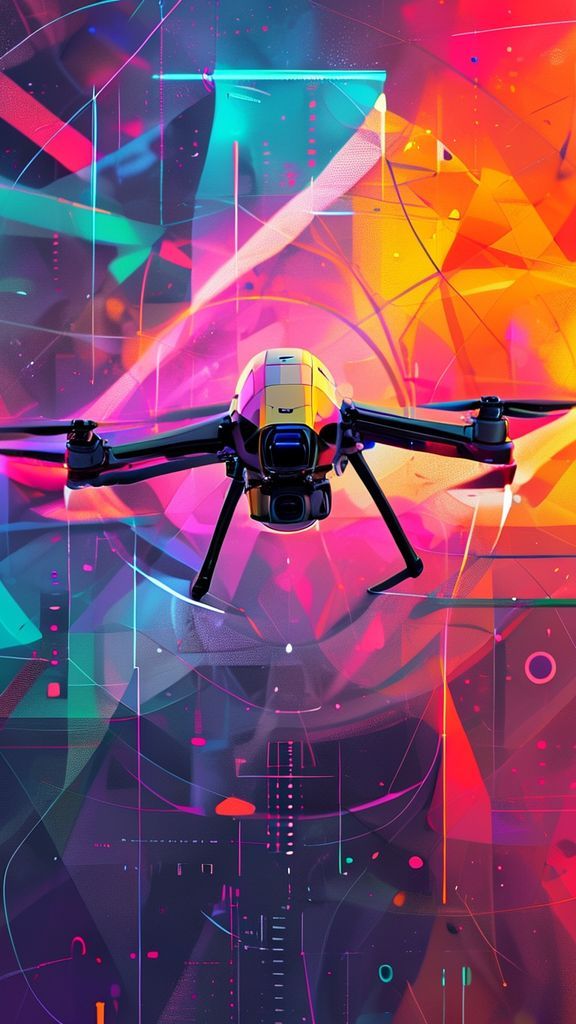
The Antigravity A1 Drone: A Revolutionary 8K All-in-One 360 Drone Powered by Ambarella’s CV5 AI Chip
Innovation is key to staying ahead of the competition in the world of drones. The Antigravity A1 drone has been making waves with its cutting-edge technology and unique features that set it apart from other consumer drones on the market. At a moment when the FCC has banned all foreign-made drones and components, Antigravity’s decision to build its highly-anticipated A1 drone around Ambarella’s CV5 AI chip looks both prescient and perfectly timed.
Jerome Gigot, Vice President of Marketing for Edge Products at Ambarella, shared his insights on what makes the A1 different from every other consumer drone on the market. One of the standout features is its ability to capture 8K 360-degree video. This is made possible by a unique “fly first, frame later” workflow, where you fly the drone and capture everything around it, and then choose your framing in post-production.
This concept has been popularized by action cameras like Insta360, but now it’s built into a drone from the ground up. The Antigravity A1 drone also boasts impressive flight times, with 24 minutes of normal mode flight time or 39 minutes of long endurance mode flight time. Given its compact size and weight, this is competitive for a sub-250-gram drone that’s processing 360-degree footage in real-time.
The answer lies in the technology inside: Ambarella’s CV5 chip. This chip combines video processing with artificial intelligence capabilities, all running locally on the device rather than relying on cloud processing. “For the A1, our CV5 Edge AI SoC seamlessly fuses multiple fisheye sensor inputs to enable real-time 360° VR-style tracking, flight capture, and immersive experiences,” Gigot explained.
The Antigravity A1 drone uses multiple fisheye cameras to capture the full sphere around the drone. Then, Ambarella’s CV5 chip takes those separate camera feeds and stitches them together in real-time to create the 360-degree view. This fusion and processing happens during the flight, not afterward on your computer.
Ambarella’s CV5 SoC includes Ambarella’s CVflow AI architecture, which accelerates computer vision and deep learning tasks. This means the drone can handle the computational load of stitching multiple fisheye camera feeds, running tracking algorithms, and potentially doing scene understanding – all while staying under 250 grams and maintaining respectable flight times.
But why did Antigravity choose Ambarella’s CV5 chip? Gigot revealed that geopolitics may have played a role in this decision, as the FCC has banned all foreign-made drones and components from receiving equipment authorizations in the United States. However, Gigot emphasized that Ambarella chose the CV5 primarily for delivering high-performance 8K video and AI in a low-power package.
The recent FCC ban has sent shockwaves through the drone industry, with many expressing outrage at how this may kill American innovation. Even for drone manufacturers, there is extreme uncertainty about next steps. Gigot added that he expects strong incentives for drone makers to prioritize U.S.-sourced components when targeting the US market.
Ambarella has a long history in drone technology, with their chips powering aerial imaging for over a decade. The company is positioning itself as more than just a camera chip company but an edge AI semiconductor company that enables drones to be “intelligent robotic platforms.”
Drones are quickly transforming into intelligent edge aerial robots, capturing, processing and understanding the world in real time. Ambarella’s heritage in high-quality imaging, combined with their CVflow AI roadmap, enables drone makers to push more autonomy and more insight onto the drone itself, where every millisecond and every milliwatt matters.
The Antigravity A1 drone is a testament to innovation in drone technology. With Ambarella’s CV5 chip powering its cutting-edge features, this drone represents a new era of intelligent edge aerial robots that capture, process, and understand the world in real-time. As we navigate the challenges and opportunities presented by the FCC ban, it’s clear that companies like Antigravity and Ambarella will play a critical role in shaping the future of drone technology.
Ambarella has announced their CV7 chip, which offers “2.5x AI performance over the previous-generation CV5 SoC” with “20% less power consumption.” The CV7 is built on Samsung’s 4nm process and can handle 8Kp60 video or dual 8Kp30 streams simultaneously.
The CV7 represents significantly more AI horsepower in a similar power envelope. This could enable more sophisticated autonomy, better object avoidance, more intelligent flight modes, and potentially even swarm coordination capabilities. For commercial applications like infrastructure inspection, precision agriculture, or public safety, these capabilities matter.
For consumer drones like the A1, it means benefits like real-time subject tracking without lag, intelligent composition assistance, and automatic highlight detection.
The benefits of edge AI for drones include lower latency, improved reliability, better privacy, enhanced safety, and reduced bandwidth requirements. With Ambarella’s CV5 chip powering the Antigravity A1 drone, we’re seeing a shift from “dumb” cameras that record video to “smart” devices that understand what they’re seeing.
As we look to the future of drone technology, innovation will continue to drive this industry forward. The Antigravity A1 drone is just one example of how companies like Ambarella and Antigravity are pushing the boundaries of what’s possible with drones.